
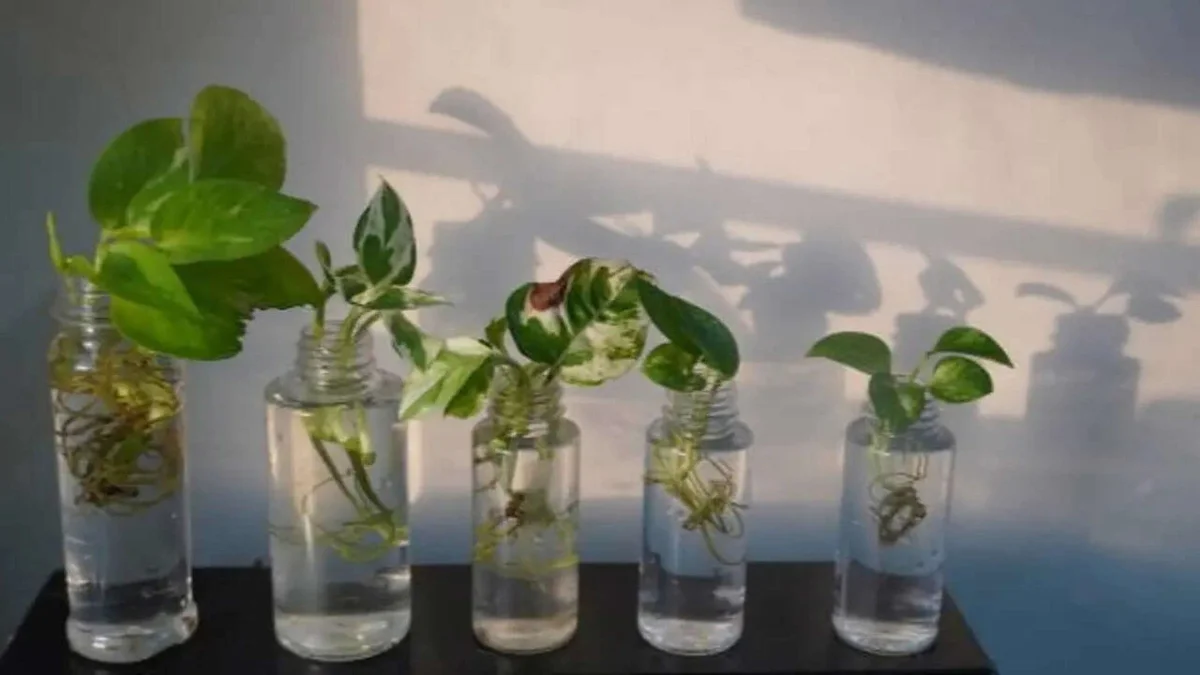
Believe it or not, you don’t need a bag of potting mix to keep a stunning indoor garden. Many plants have evolved to thrive entirely without soil — absorbing moisture and nutrients directly from water, air, or specialized growing mediums. Whether you’re a beginner looking for low-maintenance greenery or an experienced gardener wanting to try something new, these soil-free beauties are worth exploring.
1. Staghorn Fern
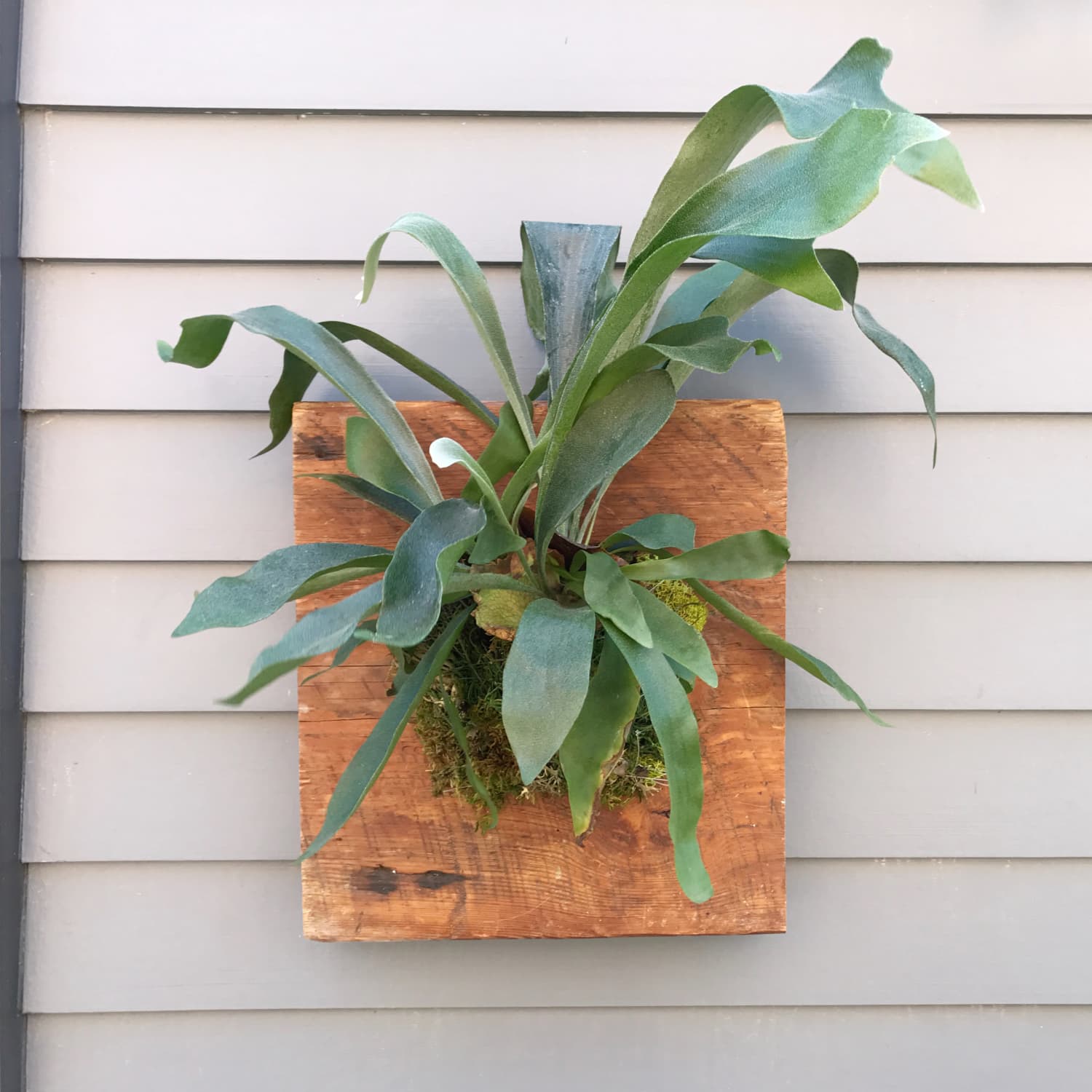
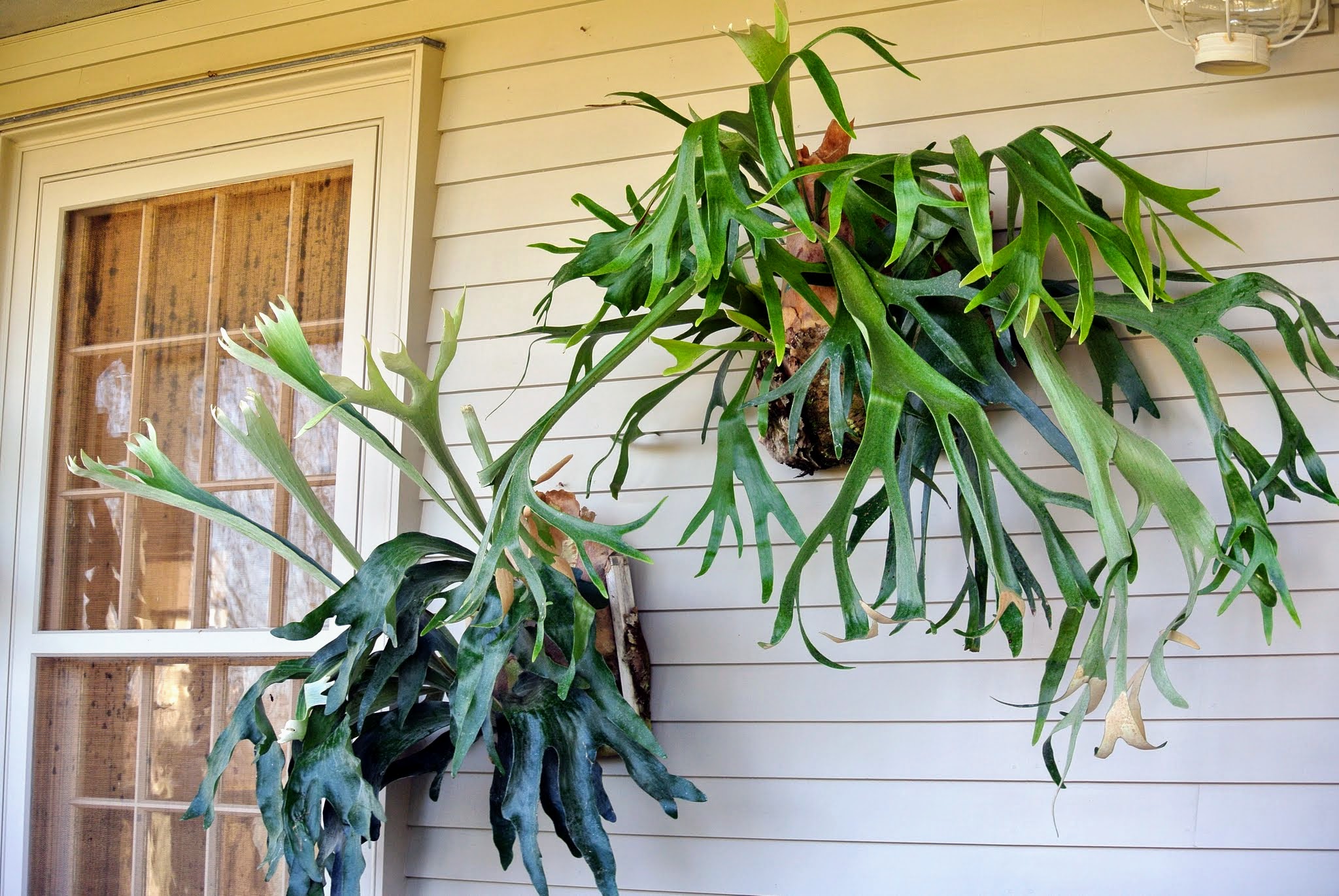
Staghorn ferns are among the most iconic soilless houseplants. These are epiphytes, meaning they naturally grow on other plants or objects for support without being parasitic. In the wild, they anchor themselves to tree trunks and large branches. As houseplants, they are often mounted on wood boards — their antler-like fronds mimic the look of real mounted deer or elk antlers, creating a dramatic living wall piece. They can also be grown in pots using soilless mediums like sphagnum moss, orchid mix, or coco coir.
2. Lucky Bamboo
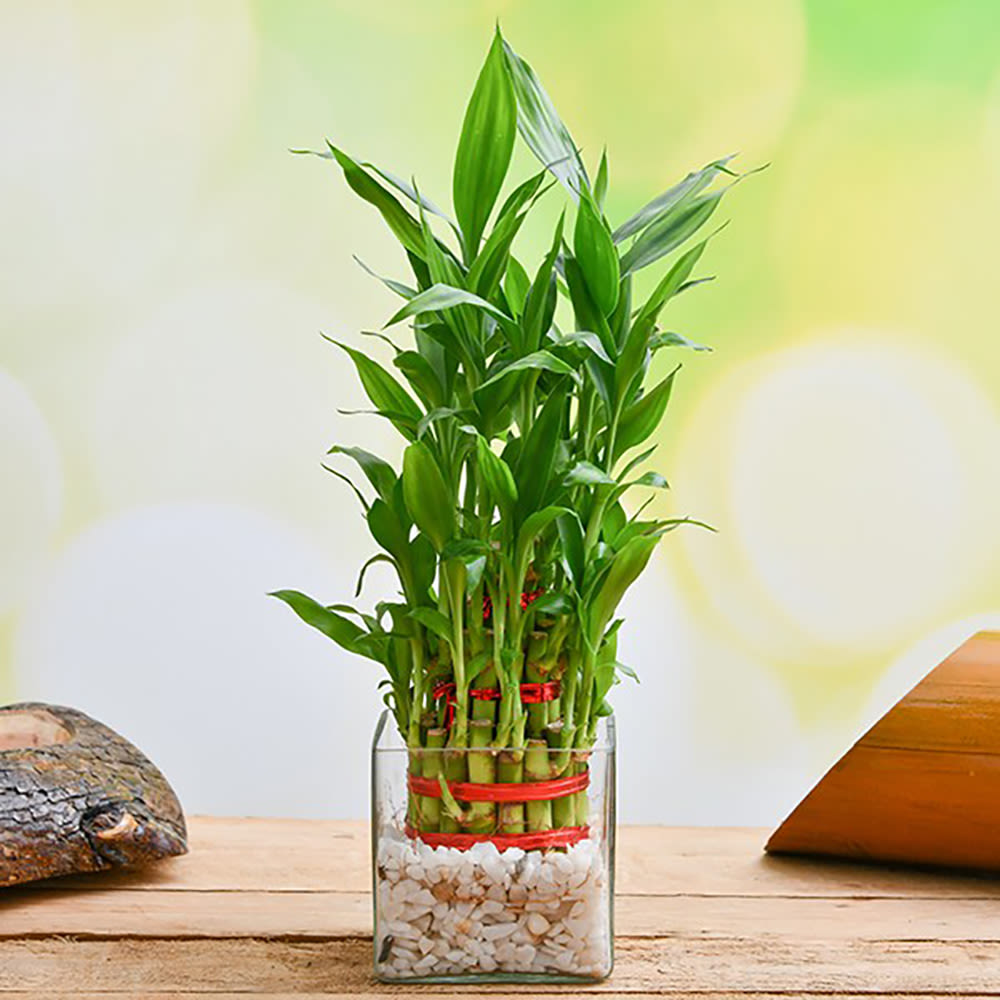
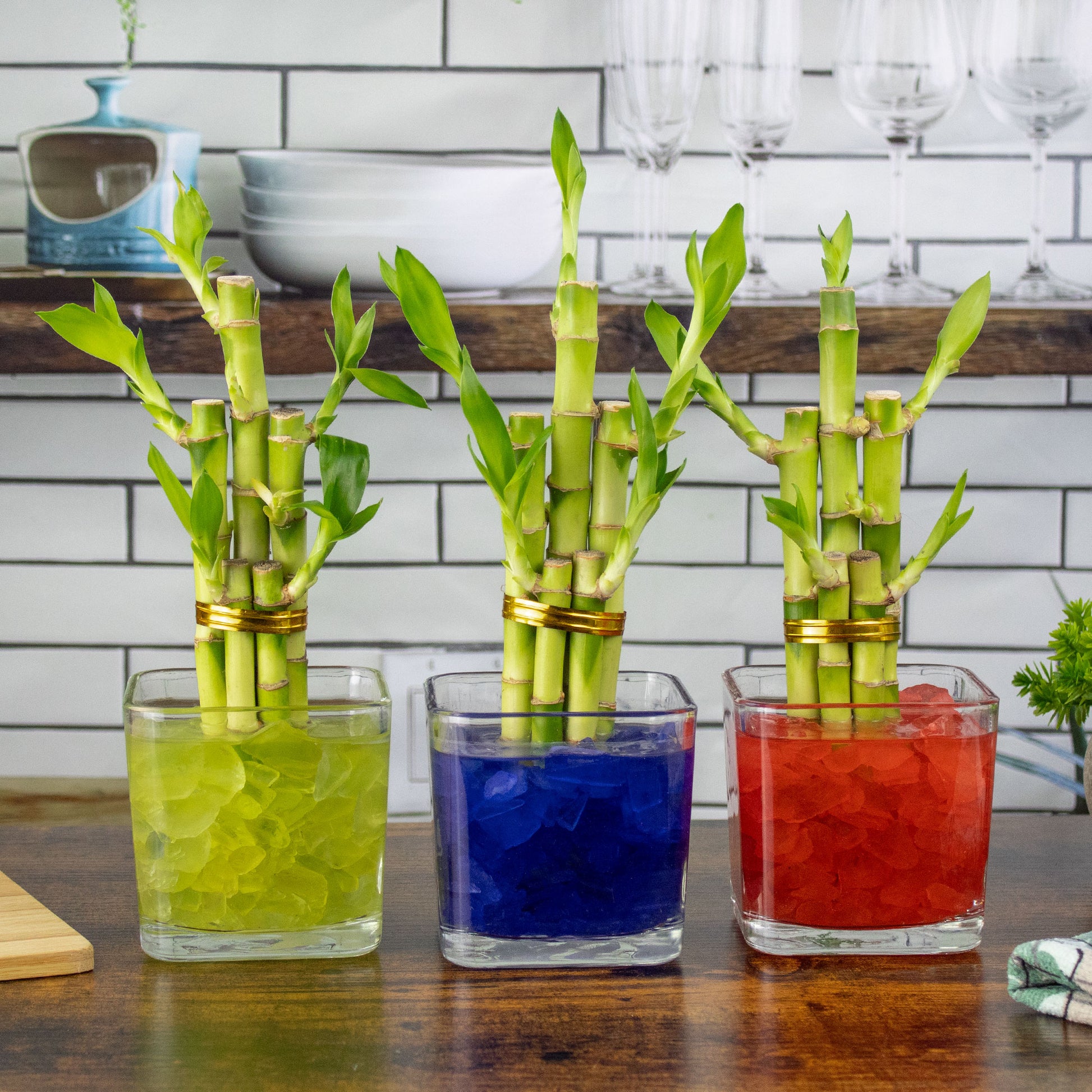
Despite its name, lucky bamboo (Dracaena sanderiana) isn’t actually bamboo — it’s a type of water lily! This popular plant can be grown in either soil or water, making it incredibly versatile. To grow it soil-free, simply remove the plant from its pot, rinse the roots clean, and transfer it to a decorative container filled with water. Adding pebbles or stones helps keep the stems upright and adds a polished look. According to Chinese tradition, the more stalks your arrangement has, the more luck it brings.
3. Air Plants (Tillandsia)
Air plants belong to the genus Tillandsia in the bromeliad family. These fascinating epiphytes grow naturally in forest canopies, far above the ground, and have become hugely popular for their unique, soil-free care. They absorb water and nutrients through tiny structures called trichomes on their leaves rather than through roots. The key to success is giving them the right amount of bright, indirect light and a weekly soak in room-temperature water for 20–30 minutes. After soaking, shake off excess water and let them dry completely upside down to prevent rot.
4. Orchids
Orchids are another classic epiphyte that flourishes without traditional soil. In nature, they attach themselves to tree branches and draw nutrients from the moisture in the air. As houseplants, they do best in a specialized orchid mix — typically a chunky blend of bark, charcoal, and moss that provides excellent drainage and airflow. Some growers even mount orchids on wooden boards or tree fern plaques for a truly natural display.
5. Bromeliads
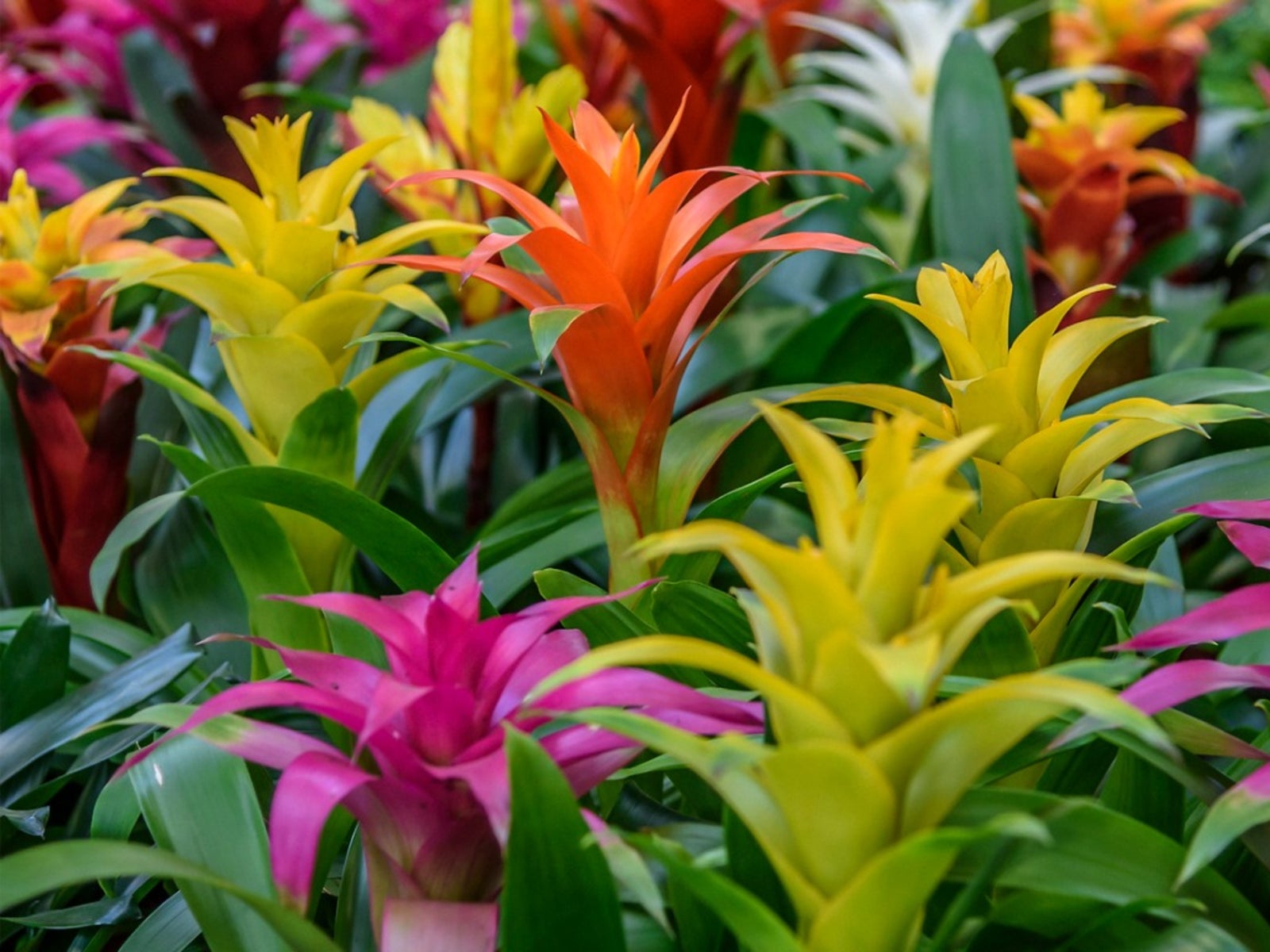
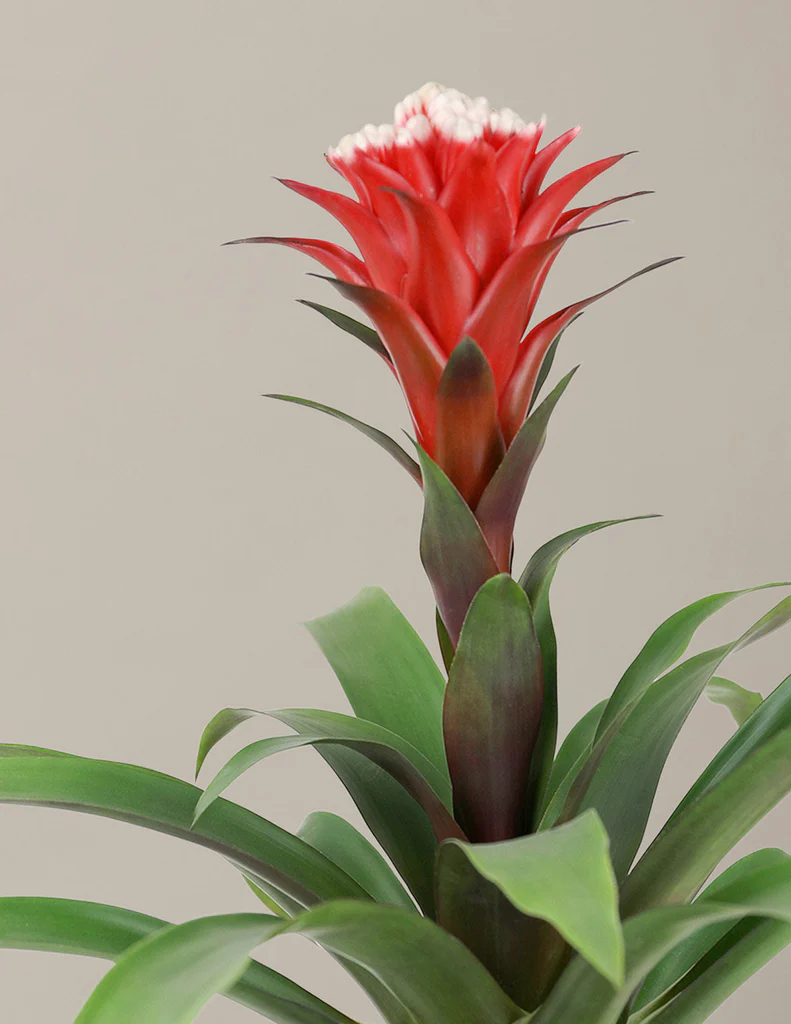
The bromeliad family includes over 3,000 species across 80 genera, ranging from epiphytic air plants to terrestrial pineapples. Most bromeliads thrive in soilless potting mediums. The genus Guzmania, for example, is one of the most common bromeliads sold as houseplants and grows beautifully in a mix of orchid bark, coco coir, sand, and charcoal. Their vibrant, long-lasting flower bracts add a splash of tropical color to any room.
6. Pothos
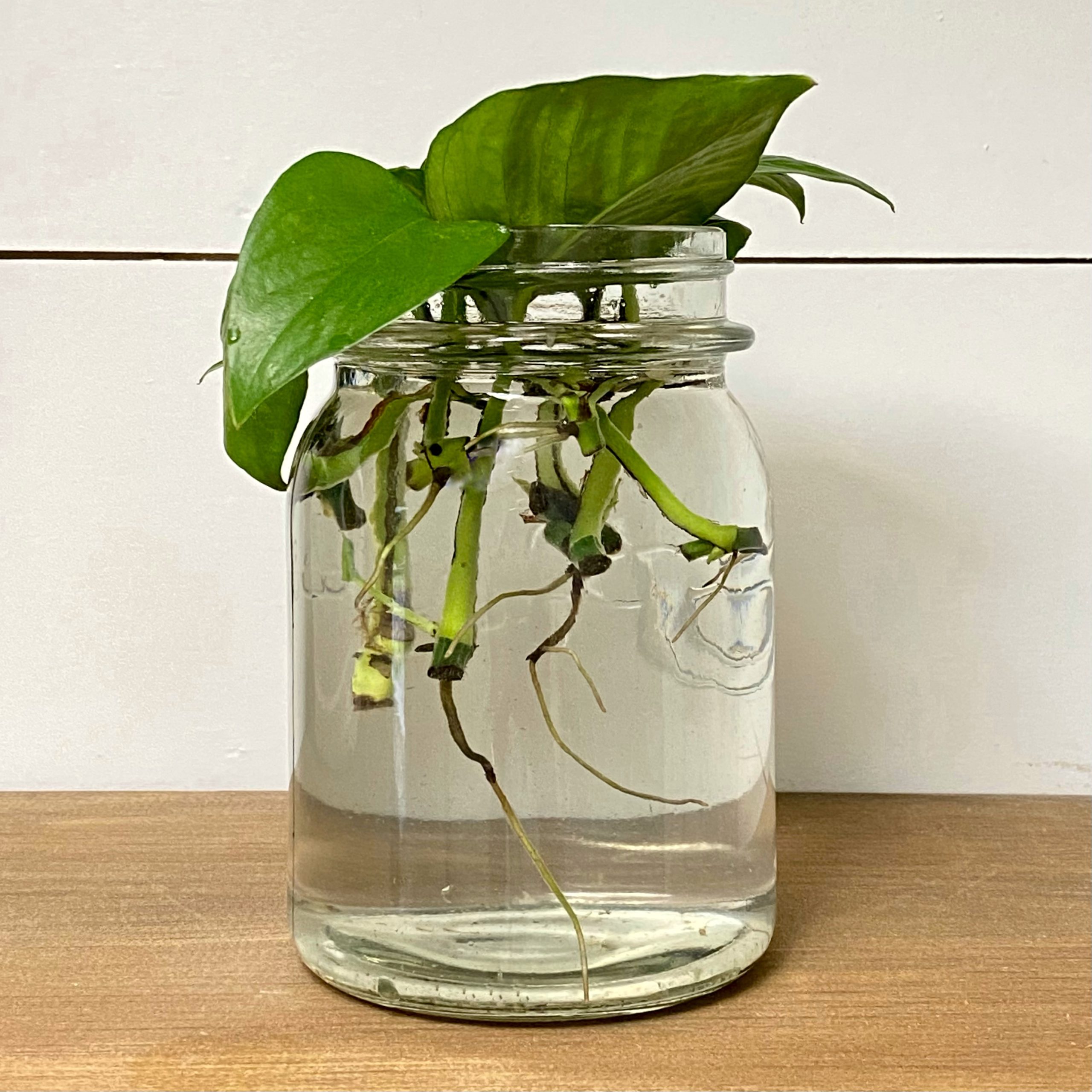
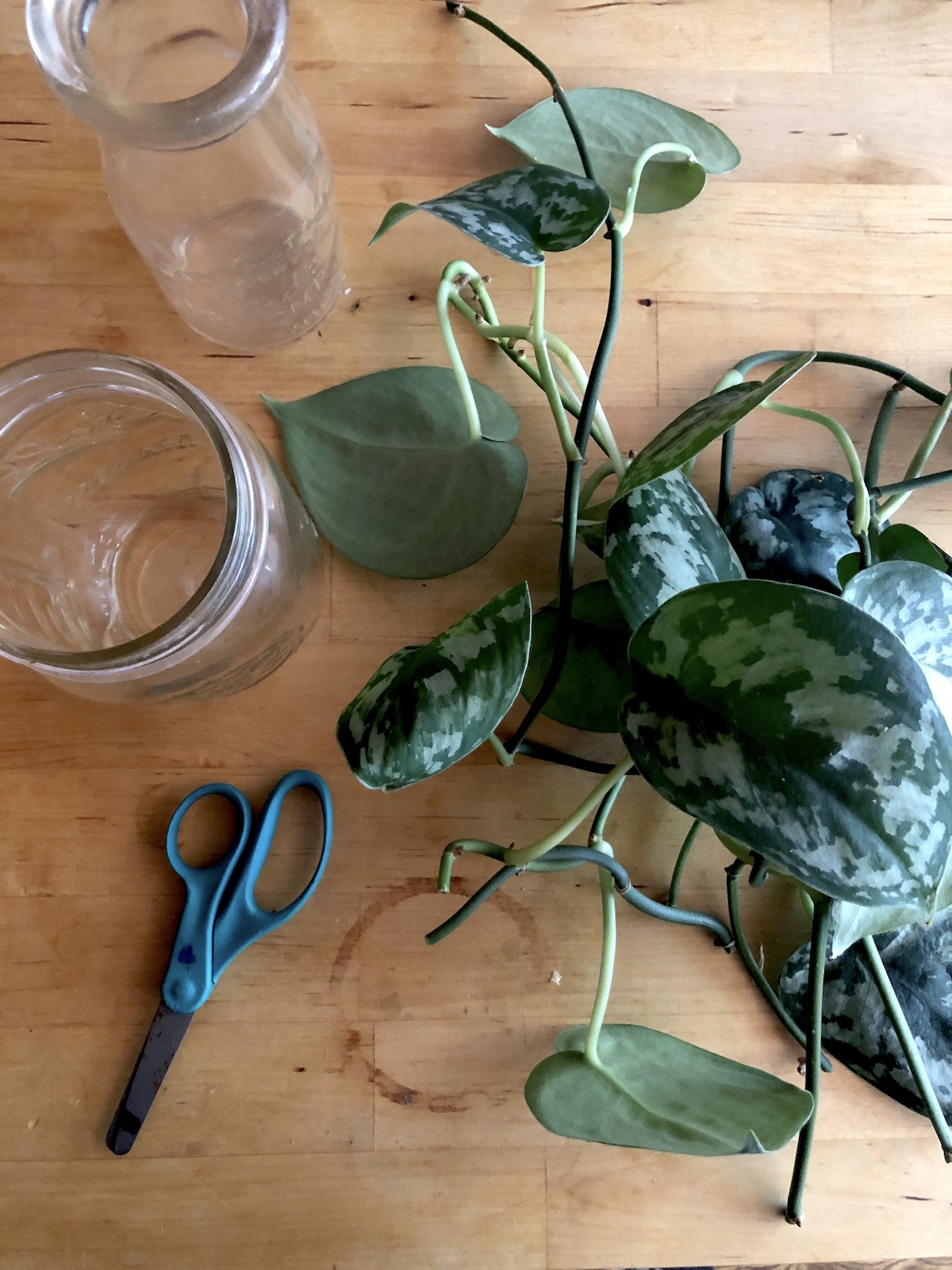
Pothos (Epipremnum aureum) is a famously low-maintenance houseplant that can thrive in several growing mediums. While commonly grown in soil, these tropical aroids are actually true-epiphytic — they start on the ground and gradually climb host plants. Pothos can be grown entirely in water, making them a perfect choice for glass jars or even aquarium filler plants. If you keep them in water long-term, be sure to fertilize regularly with a water-soluble plant food.
7. Spider Plant
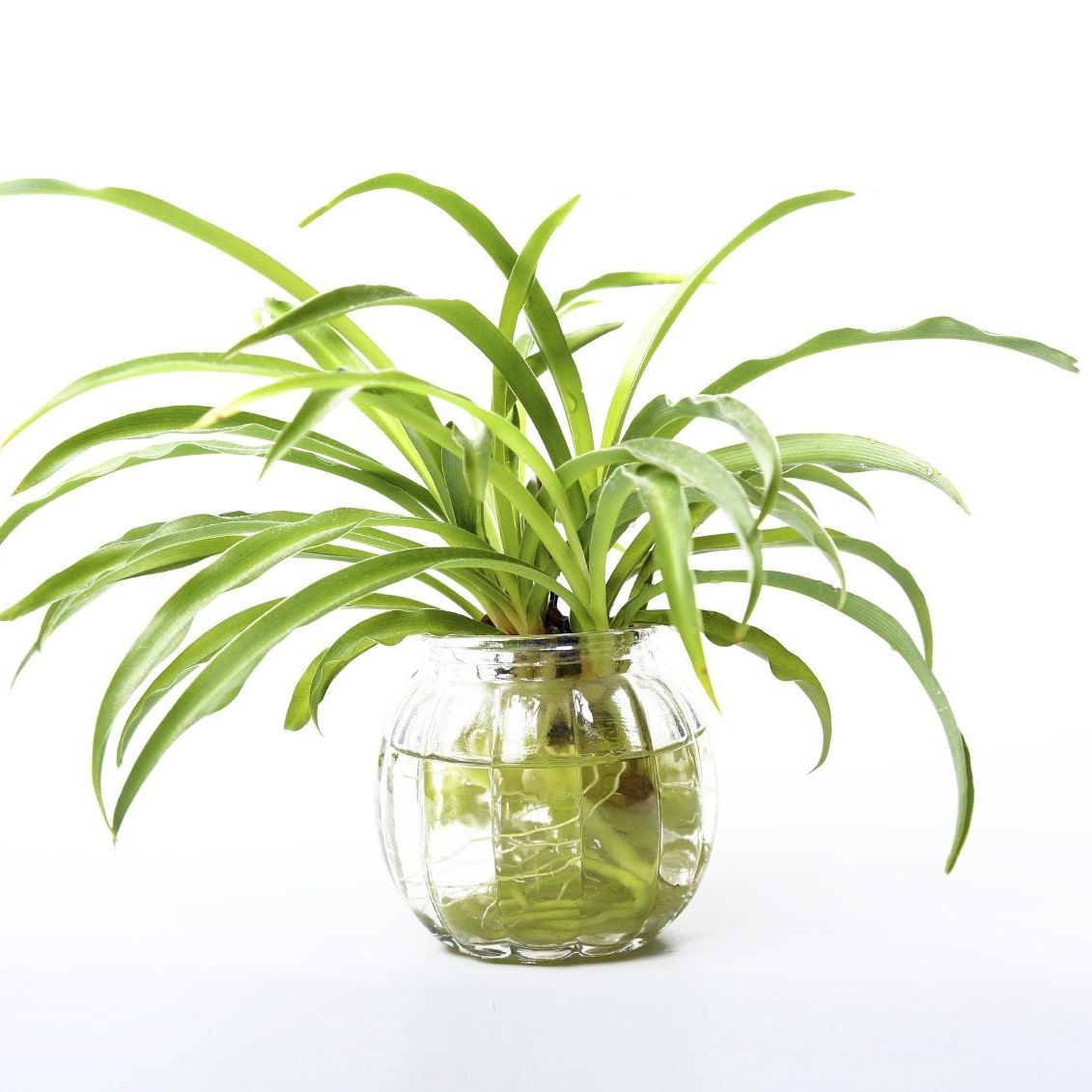
The spider plant (Chlorophytum comosum) is another forgiving option for soil-free growing. While you can move an established plant into water, it’s best to start fresh by removing a healthy offshoot (or “spiderette”) and placing it in a small glass or vase of water. Like pothos, long-term water growth requires regular fertilization to keep the plant lush and green.
8. Anthurium
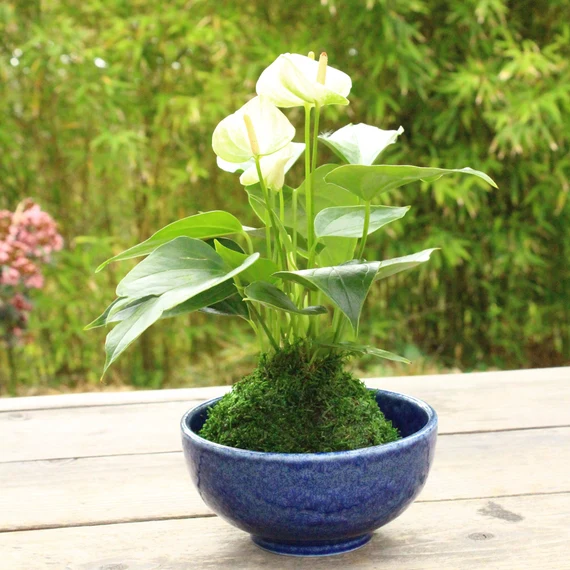
Anthuriums are a large genus containing many epiphytes, the most famous being Anthurium andraeanum with its glossy, heart-shaped leaves and striking red, pink, white, or variegated spathe flowers. These plants can be grown as true epiphytes mounted on wooden boards, similar to staghorn ferns, or in kokedama — Japanese moss balls that wrap the root system in a living ball of moss. A chunky, well-draining soilless mix also works beautifully.
9. Bird’s Nest Fern
The bird’s nest fern (Asplenium nidus) is another epiphytic member of the fern family. Like the staghorn fern, it can be mounted for a striking vertical display or grown in a soilless potting medium. Its broad, wavy fronds unfurl from a central rosette, creating a lush, nest-like appearance.
10. Blue Star Fern
The blue star fern (Phlebodium aureum) is a popular indoor fern with silvery-blue, finger-like fronds. Although it’s commonly grown in containers with well-draining soilless mixes, it is entirely epiphytic in nature. This makes it an excellent candidate for mounting, kokedama, or other creative soil-free displays.
11. Hoya
Hoyas are semi-epiphytic plants (with some species being fully epiphytic) that grow best in chunky, well-draining soilless mixes that provide plenty of airflow to the roots. Depending on the variety, they also make great candidates for mounting on bark or growing in kokedama. Their thick, waxy leaves and clusters of star-shaped, fragrant flowers make them a favorite among collectors.
12. Dischidia
Often mistaken for hoyas due to their thick, succulent-like leaves and trailing growth habit, Dischidia is a genus of epiphytes in the dogbane family. In their native habitat, they grow on large branches and tree trunks. Like hoyas, they can be grown in containers with chunky soilless mixes or mounted on wood or cork for a natural look.
Why Go Soil-Free?
Growing plants without soil isn’t just a novelty — it comes with real benefits:
- Less mess: No spilled potting mix or dirty hands.
- Fewer pests: Soilless mediums like LECA (Lightweight Expanded Clay Aggregates) eliminate fungus gnats, which thrive in damp organic matter.
- Better root health: Many soilless methods provide superior aeration, preventing root rot.
- Longer watering cycles: Plants in LECA or water can often go weeks between waterings.
- Unique aesthetics: Mounted ferns, water-grown pothos in glass jars, and moss ball anthuriums add sculptural beauty to your home.
Tips for Success
- Water quality matters: Use room-temperature water and let tap water sit overnight to allow chlorine to dissipate.
- Fertilize regularly: Soil-free plants don’t have access to natural soil nutrients, so a diluted water-soluble fertilizer is essential for long-term health.
- Provide good airflow: Especially for epiphytes like air plants and staghorn ferns — stagnant, humid air can lead to rot.
- Match light to the plant: Most of these plants prefer bright, indirect light. Too much direct sun can scorch leaves, while too little will slow growth.