

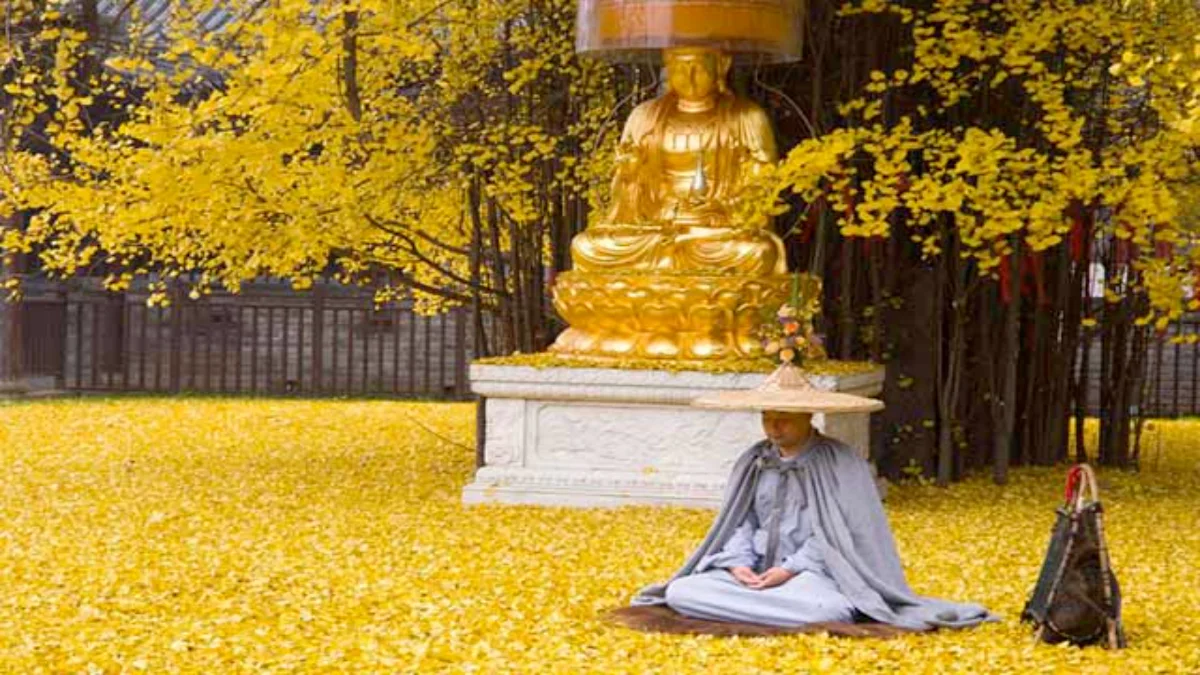
The Tree That Outlived the Dinosaurs
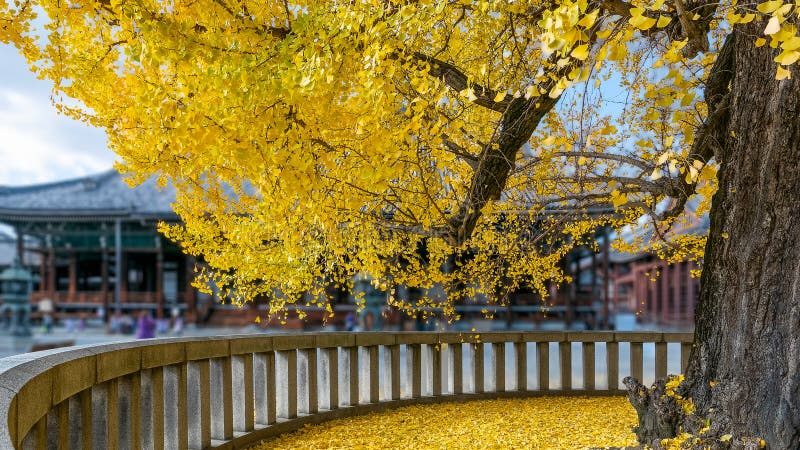
Walk through any East Asian temple courtyard in late autumn and you might find yourself standing on a carpet of gold. The Ginkgo biloba—or maidenhair tree, as some call it—has been dropping its fan-shaped leaves for roughly 290 million years, making it the sole survivor of an entire order that watched the dinosaurs come and go. Fossils of the genus stretch back to the Middle Jurassic, about 170 million years ago, and remarkably little has changed since then. Native to East Asia, this gymnosperm is widely regarded as a living fossil. The name itself is a centuries-old transcription error of the Japanese ginkyō (銀杏, “silver apricot”), replacing older Chinese names like “white fruit” (白果).
Leaves That Tell a Story Older Than Flowers
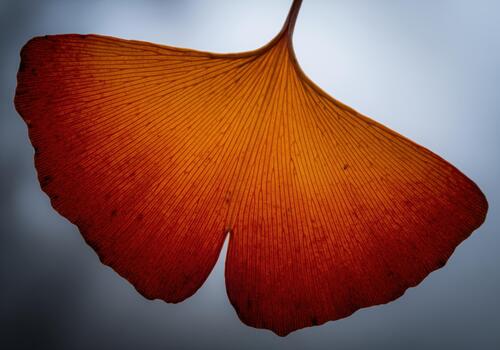
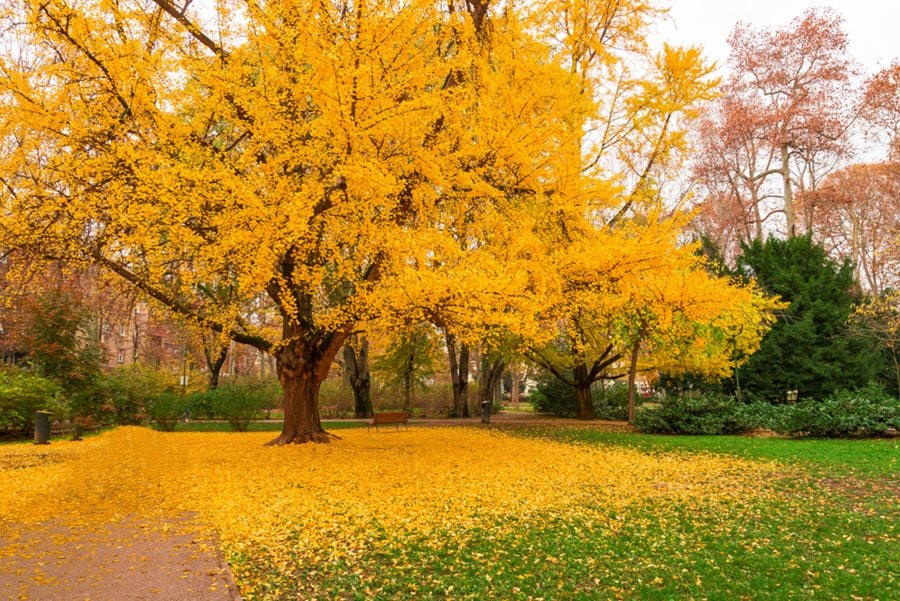
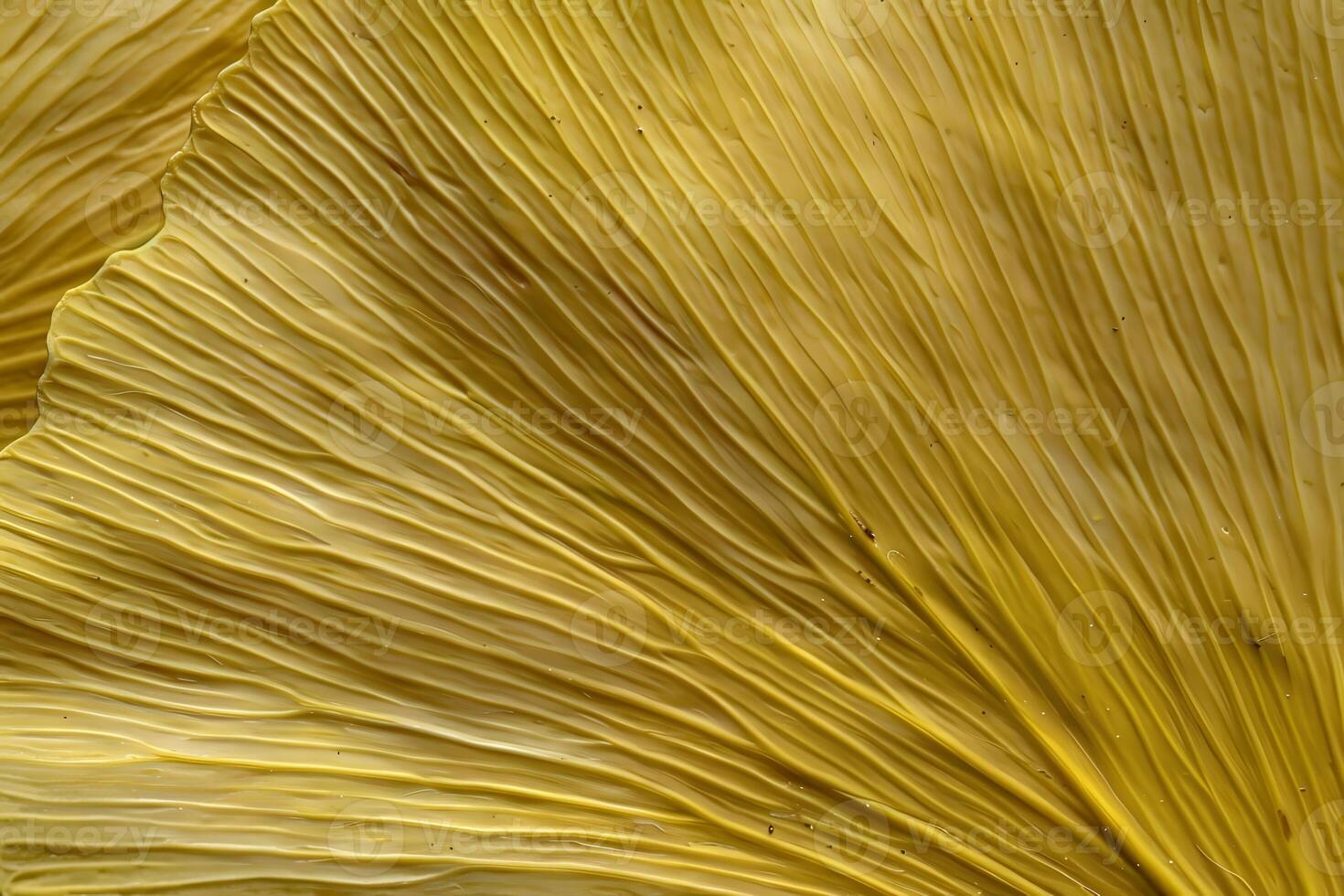
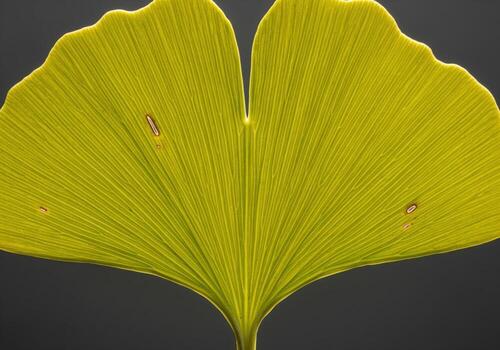
Ginkgos are large, dioecious trees reaching 20–35 m, with some Chinese specimens exceeding 40 m. They feature angular crowns and long, erratic branches that broaden with age. The leaves are unlike anything else alive today—each one a perfect fan with dichotomous venation, meaning veins fork repeatedly but never anastomose into a network. Usually 5–10 cm long, they earned the “maidenhair” nickname from their resemblance to fern pinnae. The species is heterophyllous: long-shoot leaves are thicker and more photosynthetically active, while short-shoot leaves handle drought better. In autumn, the entire canopy turns deep saffron yellow, often shedding within days in a spectacular gold rush.
Those short shoots are worth pausing over—they’re essentially the tree’s time capsules. Developing on second-year growth with barely perceptible internodes, they cluster leaves and bear all reproductive structures. After years, a short shoot may suddenly elongate into a long shoot, or vice versa, as if the tree can’t quite decide whether to sprint or linger. This flexibility probably helped it survive mass extinctions when more rigid growth strategies failed.
How a Tree Survives the Unthinkable
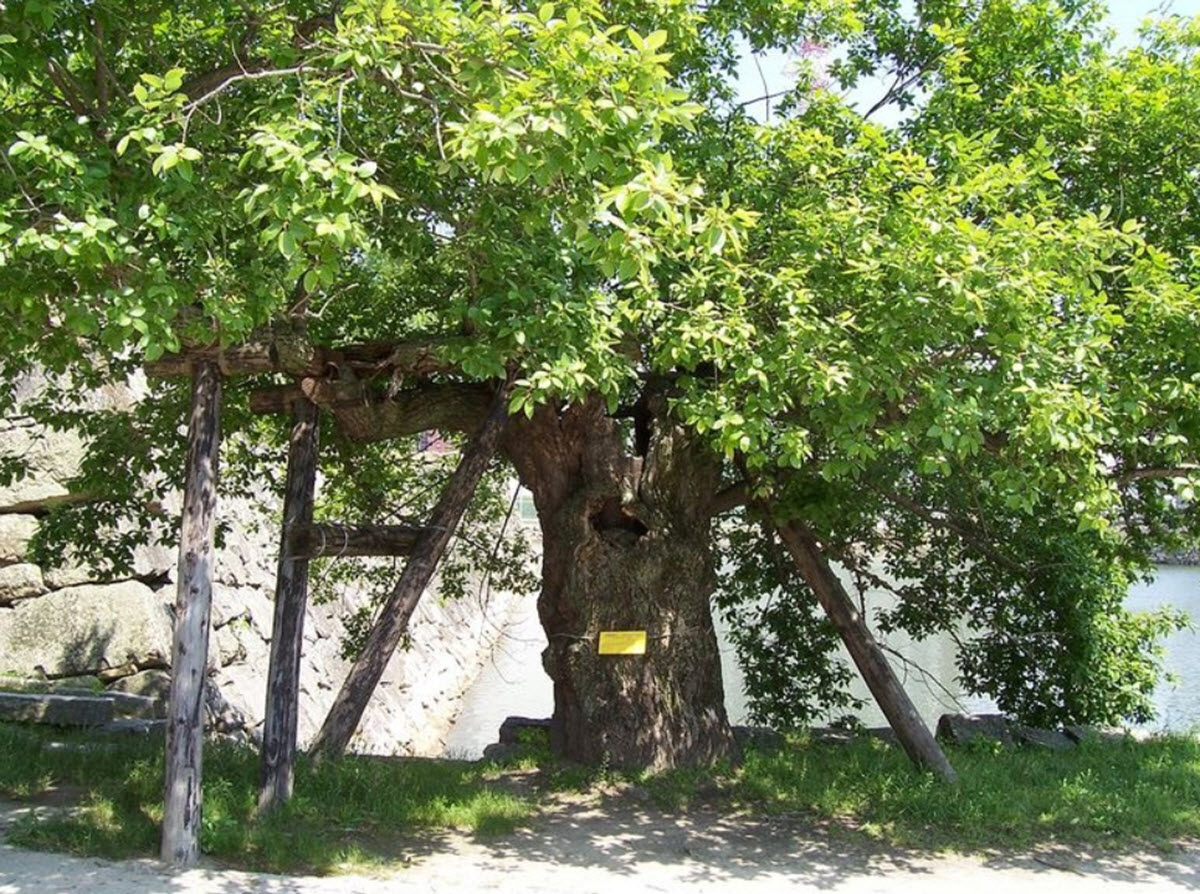
Ginkgos resist disease and insects, form aerial roots and basal sprouts (lignotubers) when disturbed, and reproduce clonally. Specimens exceed 1,600 years confirmed, with estimates surpassing 3,500 years. Six trees within 2 km of the 1945 Hiroshima atomic blast survived—charred but soon healthy again—and remain alive today at temples and shrines. That same resilience shows in how it handles everyday stress: soil erosion triggers embedded buds near the trunk base, while crown damage prompts aerial roots from large branches that can touch down and start new trees.
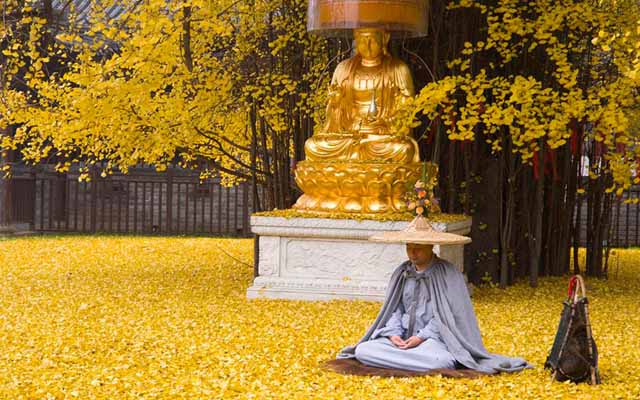
At Tsurugaoka Hachiman-gū in Kamakura, an ancient tree nicknamed kakure-ichō (hiding ginkgo) is linked to a 1219 assassination legend. Ring dating suggested roughly 500 years in 1990. The tree blew down in 2010, but the stump sprouted vigorously within a month—a living demonstration of that same regenerative power. A 1,400-year-old specimen at Gu Guanyin temple in the Zhongnan Mountains draws pilgrims and photographers alike, its golden carpet of fallen leaves almost otherworldly.
Sperm That Swim and Seeds That Stink
Ginkgos are dioecious, with separate male and female trees. Male plants produce small pollen cones, and rare sex conversion has been observed. But here’s where it gets strange: fertilization happens via motile sperm—actual swimming cells with thousands of flagella, discovered by Sakugoro Hirase in 1896. This is a trait shared only with cycads among all living seed plants, a throwback to an era before pollen tubes existed. Two sperm are produced; one fertilizes the ovule just before or after the seed falls in early autumn.
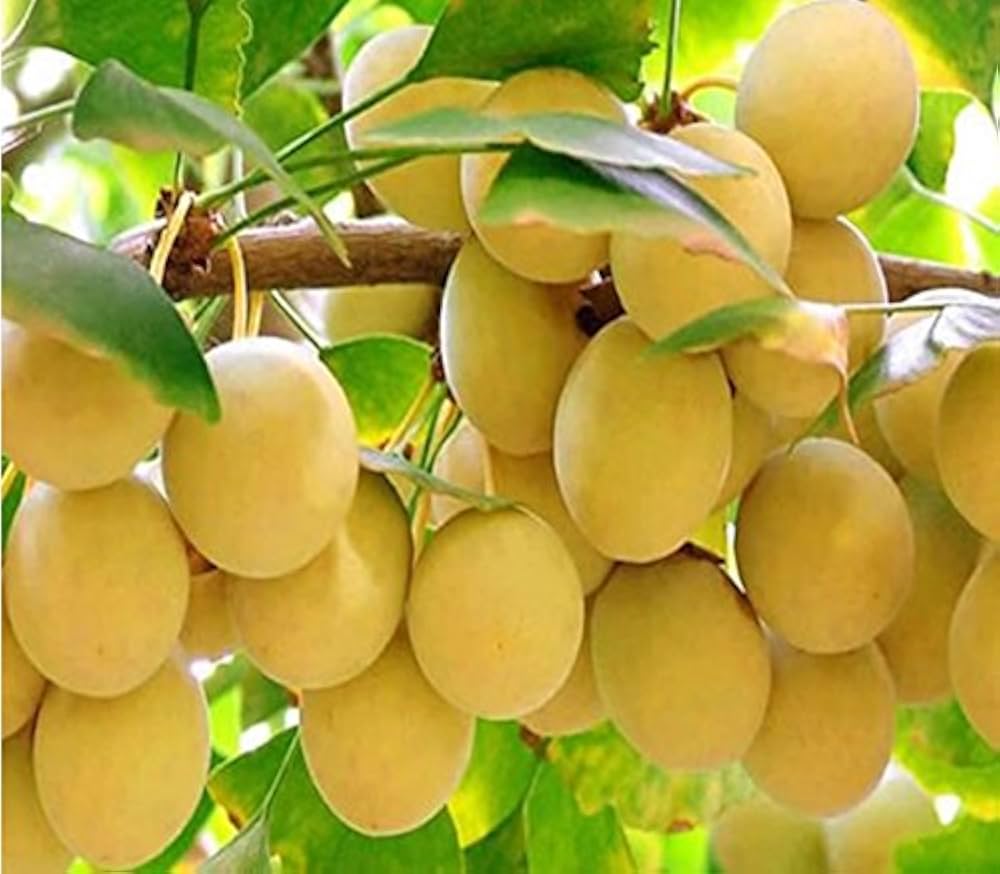
The resulting seeds are 1.5–2 cm structures with a soft, yellow-brown sarcotesta containing butyric acid, which smells unmistakably of rancid butter or vomit when fallen. Beneath lies the hard sclerotesta and papery endotesta. That foul odor isn’t a mistake—it’s a signal to gray squirrels, palm civets, and raccoon dogs, who eat the flesh and pass the intact seeds through their digestive systems, ready to germinate. Nature’s packaging at work, even if humans find it repulsive.

The genome, published in 2016, is enormous—10.6 billion base pairs (humans have 3 billion) with ~41,840 predicted genes. Over 76% is repetitive sequences, which probably explains its chemical versatility. A 2020 study of trees up to 667 years old found little aging effect—continued growth, no genetic senescence, and indefinite phytochemical production. Those extracts contain flavonoid glycosides, terpene trilactones (ginkgolides and bilobalides), and unique ginkgo biflavones—compounds that have earned it both medicinal fame and regulatory scrutiny.
A Name Born from a Scribal Error
Carl Linnaeus described the species in 1771; biloba refers to the twice-lobed leaves. Alternative names include Pterophyllus salisburiensis and Salisburia adiantifolia. But the genus name traces to Engelbert Kaempfer’s 1690 recordings in Nagasaki, where his interpreter’s local dialect produced “ginkgo” instead of the expected “ginkio” or “ginkjo.” Linnaeus adopted it anyway, and the misspelling stuck. Pronunciation varies between /ˈɡɪŋkoʊ/ and /ˈɡɪŋkɡoʊ/, yielding the common alternative “gingko.”

Ginkgo’s relationships remain uncertain. It is loosely placed in Spermatophyta or Pinophyta, but morphologically qualifies as a gymnosperm since seeds lack ovary protection. The apricot-like structures are technically seeds with a sarcotesta and sclerotesta, not true fruits. The ginkgo stands alone in division Ginkgophyta—the only extant species in a group that vanished from the fossil record after the Pliocene except in central China. Its closest living relatives are cycads, sharing that bizarre motile sperm trait.
From Global Dominance to Temple Gardens
Recognizably related fossils date to the early Permian (~290 million years). The genus appeared in the Middle Jurassic and diversified through Laurasia during the Jurassic and Early Cretaceous. But as flowering plants rose, ginkgo diversity declined. By the Paleocene, only Ginkgo adiantoides remained in the Northern Hemisphere, and by the Pliocene’s end, fossils disappeared everywhere except central China. For centuries the tree was considered extinct in the wild.
What saved it? Monks, mostly. Cultivated in China for millennia and in Korea and Japan since the 14th century for Buddhist and Confucian associations, ginkgo became a sacred fixture at temples. High genetic uniformity suggests monk cultivation over ~1,000 years, though greater diversity in Southwestern China hints at possible glacial refugia and wild populations in mountains around the eastern Tibetan Plateau. The wild form prefers acidic loess (pH 5.0–5.5) with good drainage in temperate, disturbed streamside environments—essentially the same niche it occupied before angiosperms took over.
It reached Europe in 1690 via Kaempfer and has grown in North America for over 200 years and Europe for nearly 300, without significant naturalization. Today it lines urban avenues worldwide, prized for pollution tolerance and autumn spectacle. Male cultivars grafted onto seed-propagated rootstocks are preferred to avoid malodorous seeds. ‘Autumn Gold’ is a popular male clone; female cultivars include ‘Liberty Splendor’ and ‘Golden Girl’. The compact ‘Troll’ has gained the RHS Award of Garden Merit. Ginkgos are also popular for penjing and bonsai, easily propagated from seed and kept small over centuries.
The Wood, the Nuts, and the Warnings
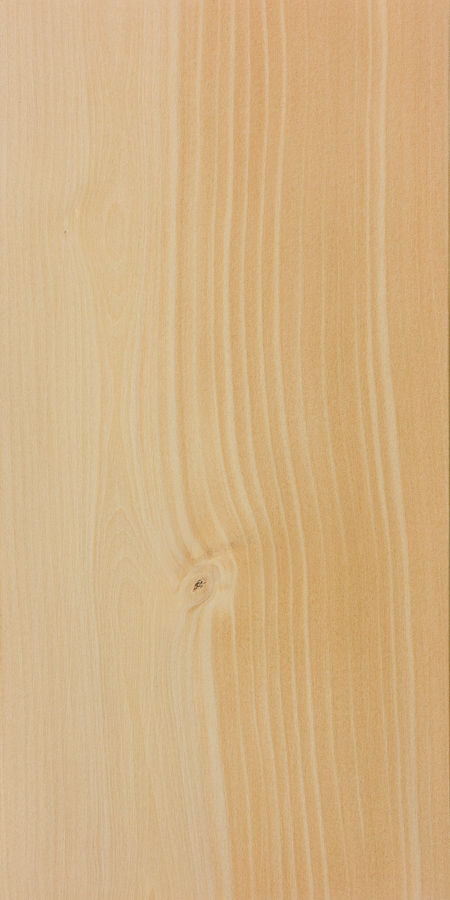
The durable, fire-resistant, slow-decaying wood serves for furniture, chessboards, carving, and sake casks. Nut-like seed kernels are esteemed in Asian cuisine—used in congee, Buddha’s delight, chawanmushi, and grilled with salt at izakayas. In Korea, they stir-fry them or garnish sinseonro. But there’s a catch.
Since 2016, ginkgo extract is classified as a possible human carcinogen (IARC Group 2B). Seeds may cause ginkgotoxin (4′-O-methylpyridoxine, MPN) poisoning when eaten in large quantities—a heat-stable compound causing convulsions alleviated by vitamin B6. The sarcotesta triggers allergic contact dermatitis in sensitive individuals. Supplements carry increased bleeding risk, nausea, headaches, and dizziness. Pollen and leaves contain highly allergenic ginkgolic acids similar to poison ivy and cashew allergens. Pharmaceutical extracts restrict these to 5 ppm; overconsumption depletes vitamin B6.
And despite what the supplement bottles claim, ginkgo and its extracts are not FDA-approved. The NCCIH concludes no conclusive effectiveness for any condition, including dementia or cognitive decline. No high-quality evidence supports memory improvement in healthy people as of 2026. Systematic reviews found no effectiveness for high blood pressure, tinnitus, post-stroke recovery, or altitude sickness. Limited evidence suggests possible dementia benefits, with approval in the European Union but not the United States. The 10.6-billion-base-pair genome may produce impressive chemistry, but translating that into proven medicine remains elusive.
One last curiosity: ginkgo is the only vascular plant known to host a Cocomyxa-like green alga as an endosymbiont, vertically inherited worldwide. The algae live intracellularly in an immature, non-photosynthetic form and may participate in host metabolism—yet another layer of strangeness in a tree that already has plenty to spare.


